
25 Feb When Your Pet Is Sick: How In-House Labs and Digital X-Rays Speed Up Diagnosis and Treatment
When a pet is sick, time feels different. A small change in appetite or energy can quickly turn into worry, especially when symptoms appear suddenly. For pet owners, one of the hardest parts is waiting. Waiting for test results. Waiting for answers. Waiting to know what comes next.
Modern veterinary care has changed that experience in important ways. In-house labs and digital X-rays allow veterinarians to diagnose issues faster and begin treatment sooner. For pets, this often means less discomfort and better outcomes. For owners, it brings clarity and peace of mind during stressful moments.
At practices like Forsyth Animal Hospital, these tools are now a core part of high-quality care. Understanding how they work can help you feel more confident when your pet needs medical attention.
Why Speed Matters When Pets Are Sick
Animals cannot explain what they feel. Veterinarians rely on physical exams, owner observations, and diagnostic testing to uncover what is happening beneath the surface. In many cases, delays in diagnosis can allow conditions to worsen.
Faster testing supports better care in several ways:
- Earlier treatment can prevent complications
- Pain and discomfort can be addressed sooner
- Serious conditions are identified before they progress
- Fewer repeat visits may be needed
According to the American Veterinary Medical Association, timely diagnosis is a key factor in improving treatment success for both acute and chronic pet illnesses. In-house diagnostics play a major role in making that possible.
What Is an In-House Pet Lab?
An in-house pet lab is a diagnostic laboratory located directly inside a veterinary hospital. Instead of sending samples to an outside facility, tests are run on site by trained veterinary staff.
These labs can perform a wide range of common tests, often within minutes.
Common Tests Run In-House
In-house labs are typically used for:
- Blood chemistry panels
- Complete blood counts
- Urinalysis
- Fecal exams
- Tests for infections and parasites
Having access to an in-house pet lab allows veterinarians to assess organ function, hydration levels, infection markers, and more without delay.
Faster Results, Faster Decisions
Traditional outside lab testing can take one to three days, sometimes longer. In-house testing often provides results during the same appointment. This allows veterinarians to make informed decisions immediately.
For pets that are very ill, those hours can make a meaningful difference.
How Digital X-Rays Improve Diagnosis
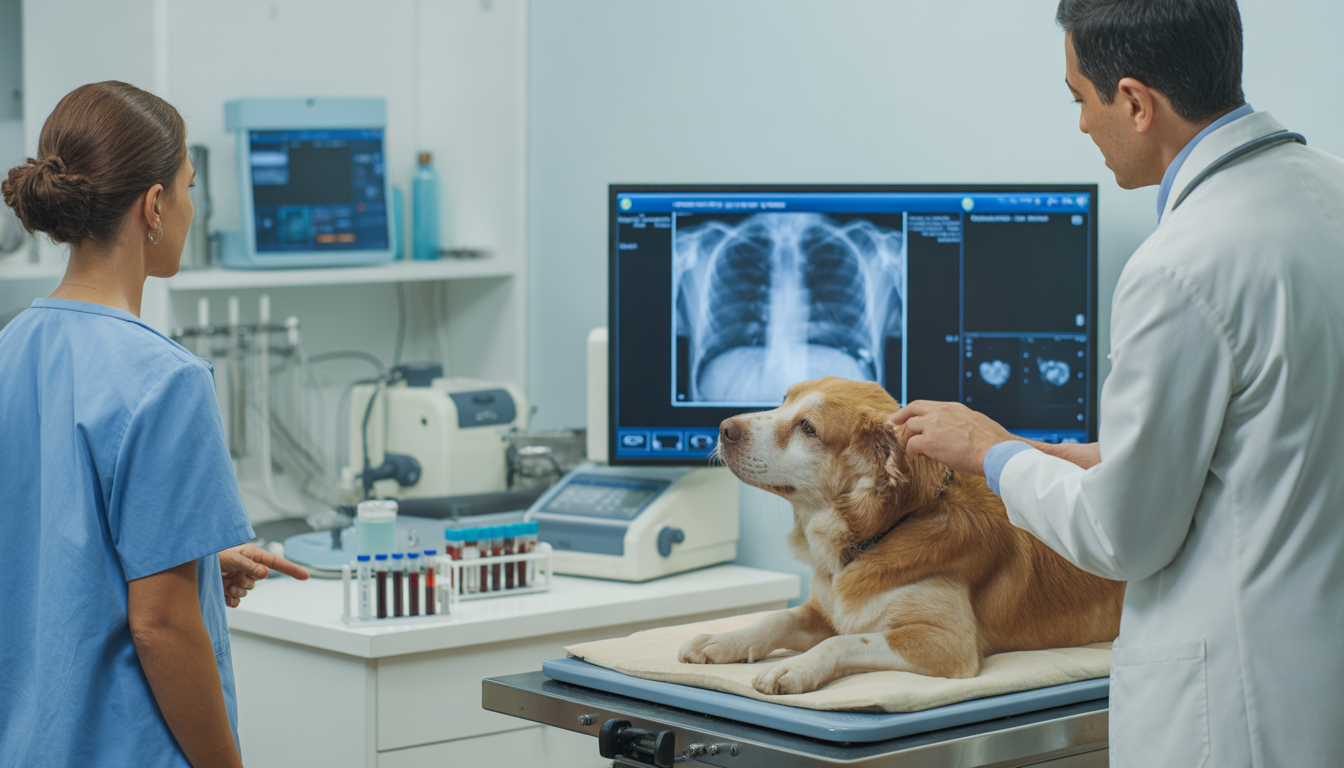
Digital X-rays are another essential diagnostic tool in modern veterinary medicine. They provide clear images of a pet’s internal structures, including bones, lungs, heart, and abdomen.
What Makes Digital X-Rays Different?
Unlike traditional film X-rays, digital systems capture images electronically. This offers several advantages:
- Images are available almost instantly
- Higher image clarity and contrast
- Ability to zoom and adjust for better detail
- Easier sharing with specialists if needed
Digital imaging reduces wait times and improves accuracy, especially when evaluating complex cases.
Conditions Commonly Diagnosed with X-Rays
Digital X-rays are often used to diagnose:
- Broken or fractured bones
- Arthritis and joint issues
- Lung and heart conditions
- Intestinal blockages
- Tumors or abnormal growths
When paired with lab testing, X-rays help veterinarians build a complete picture of a pet’s health.
How These Tools Work Together
In-house labs and digital X-rays are most powerful when used together. Lab tests show how the body is functioning on a chemical level. Imaging shows physical changes and structural issues.
For example:
- Bloodwork may indicate infection, while X-rays locate its source
- Lab results may suggest kidney stress, while imaging shows size or shape changes
- X-rays may reveal a blockage, while labs assess dehydration or electrolyte imbalance
This combination supports accurate pet illness diagnosis and reduces the need for guesswork.
Reducing Stress for Pets and Owners
Waiting for results is stressful for everyone involved. Pets may need to return for follow-up visits or stay uncomfortable while owners wait for answers.
On-site diagnostics help reduce that stress by:
- Limiting repeated handling and travel
- Allowing treatment to begin sooner
- Providing clearer explanations during the same visit
For anxious pets, fewer appointments can make a big difference in their comfort and behavior.
Better Care During Urgent Situations
In urgent or emergency cases, time is especially critical. Symptoms like vomiting, breathing trouble, collapse, or sudden pain require fast action.
In-house diagnostics support urgent care by:
- Identifying internal bleeding or trauma quickly
- Detecting infections or organ failure early
- Guiding immediate treatment decisions
Facilities equipped with these tools are better prepared to stabilize pets and determine next steps, whether that involves medication, monitoring, or referral for advanced care.
Supporting Preventive and Ongoing Care
In-house labs are not only for emergencies. They are also valuable for routine and preventive care.
Monitoring Chronic Conditions
Pets with ongoing conditions such as diabetes, kidney disease, or thyroid issues need regular testing. On-site labs make monitoring easier and more consistent.
Veterinarians can:
- Track trends over time
- Adjust medications promptly
- Catch subtle changes before symptoms worsen
This supports long-term health and quality of life.
Baseline Testing for Healthy Pets
Routine bloodwork during wellness visits establishes a baseline. If a pet becomes sick later, those earlier results help veterinarians spot changes more quickly.
This approach aligns with strong preventive care practices and supports earlier intervention.
Clear Communication and Better Understanding
One often overlooked benefit of in-house diagnostics is communication. When results are available during the visit, veterinarians can clearly explain the findings and answer questions right away.
Digital X-ray images can be shown on a screen, allowing owners to see what the veterinarian sees. This transparency builds trust and helps owners feel more involved in care decisions.
What to Look for in a Veterinary Hospital
Not every clinic offers on-site diagnostics. When choosing a veterinary provider, it can help to ask about available technology and services.
Consider whether the hospital offers:
- In-house lab testing
- Digital imaging capabilities
- A full range of diagnostic tools
- Experienced staff trained to interpret results
A full-service animal hospital is better equipped to handle both routine care and unexpected illness without unnecessary delays.
For pet owners seeking experienced vets in Cumming, GA, access to advanced diagnostics can be a key factor in choosing the right practice.
Technology Does Not Replace Experience
While tools are important, they work best in skilled hands. Accurate diagnosis depends on how results are interpreted and applied to each pet.
Veterinarians combine diagnostic data with physical exams, medical history, and owner input. Technology supports their expertise rather than replacing it.
At practices like Forsyth Animal Hospital, this balance of modern tools and clinical experience allows for thoughtful, effective care.
A More Reassuring Experience When It Matters Most
When your pet is sick, fast answers matter. In-house labs and digital X-rays shorten the path from symptoms to solutions. They reduce waiting, improve accuracy, and help veterinarians act with confidence.
For owners, this means fewer unknowns and more reassurance during difficult moments. For pets, it often means quicker relief and better outcomes.
If you are looking for compassionate care supported by modern diagnostics at a trusted North Forsyth animal hospital, or need guidance from a reliable veterinarian in Cumming, help is close to home.
To learn more about services, technology, and how Forsyth Animal Hospital supports timely, thorough care, visit https://northforsythvet.com. When your pet needs answers, having the right tools in the right place can make all the difference.
No Comments