02 Feb Spay and Neuter Surgery: What to Expect Before, During, and After Your Pet’s Procedure
Spaying and neutering are among the most common surgical procedures in veterinary medicine, yet many pet owners still feel nervous about them. Questions about safety, recovery, and long-term effects are completely normal. Knowing what happens before, during, and after the procedure can ease concerns and help you support your pet every step of the way.
At North Forsyth Animal Hospital, spay and neuter surgeries are handled with careful planning, modern safety protocols, and compassionate care. This guide walks you through the process so you know exactly what to expect and why these procedures play such an important role in your pet’s health.
Why Spaying and Neutering Matter
Spaying and neutering are not only about preventing unwanted litters. These procedures offer lasting health and behavioral benefits that can improve your pet’s quality of life.
Health Benefits for Pets
Spaying and neutering reduce the risk of several serious health conditions, including:
- Uterine infections and certain cancers in female pets
- Testicular cancer and prostate issues in male pets
- Hormone-driven behaviors that may lead to injury or stress
Veterinary studies consistently show that pets who are spayed or neutered often live longer, healthier lives.
Behavioral and Community Benefits
Hormone-related behaviors such as roaming, marking, and aggression often decrease after surgery. This can make pets easier to manage at home and safer in the community. Fewer unplanned litters also help reduce the number of animals entering shelters.
Preparing for Surgery: What Happens Before
The preparation phase is one of the most important parts of spay and neuter surgery. Proper planning helps ensure your pet’s safety and smooth recovery.
Pre-Surgical Examination
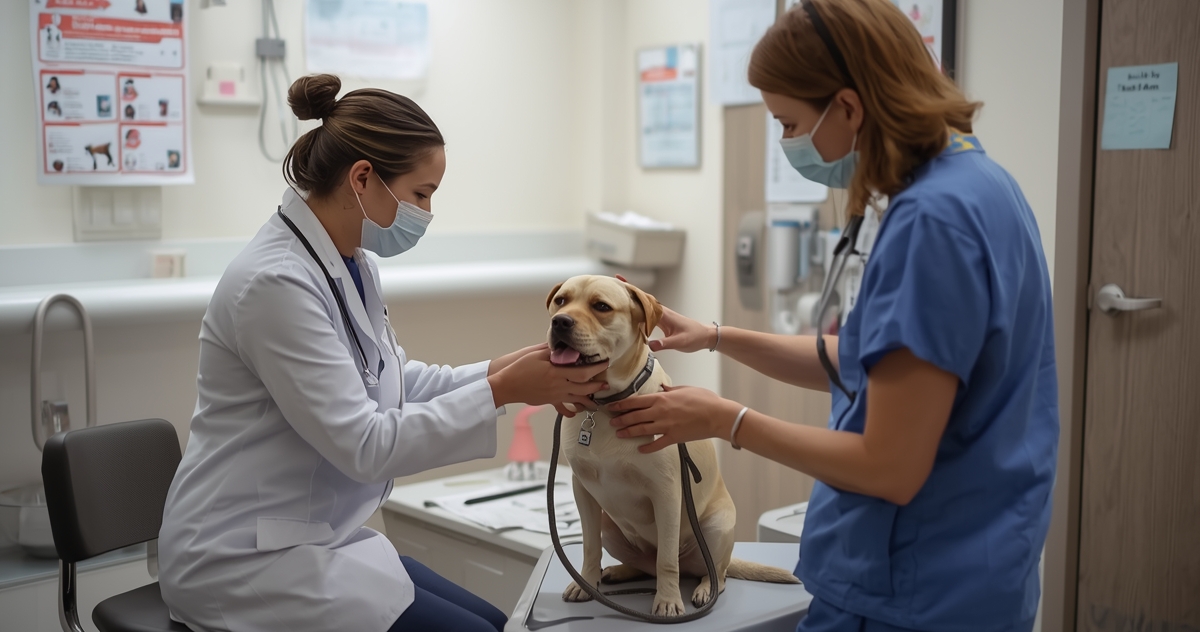
Before scheduling surgery, your veterinarian will perform a full physical exam. This allows them to assess your pet’s overall health, weight, and age. Any existing medical concerns are discussed so the surgical plan can be adjusted if needed.
Working with an experienced veterinarian in Cumming, GA, ensures these evaluations are thorough and tailored to your pet’s specific needs.
Pre-Anesthetic Bloodwork
Bloodwork is strongly recommended before surgery, even for young and healthy pets. These tests provide valuable information about organ function and overall wellness.
Pre-surgical bloodwork helps to:
- Check liver and kidney function
- Detect hidden infections or anemia
- Guide safe anesthesia choices
Clinics that offer an in-house pet lab can complete these tests efficiently, allowing results to be reviewed before surgery begins.
Fasting Instructions
You will be given clear instructions about withholding food and, in some cases, water before surgery. Fasting reduces the risk of complications related to anesthesia. Always follow these guidelines closely and contact your veterinary team if you are unsure.
The Day of Surgery: What Happens During the Procedure
Knowing what takes place during surgery can provide peace of mind and help you trust the process.
Safe Anesthesia and Monitoring
Spay and neuter surgeries are performed under general anesthesia so your pet remains fully asleep and pain-free. Modern veterinary anesthesia is carefully calculated based on your pet’s size, age, and health status.
Throughout the procedure, trained staff monitor:
- Heart rate
- Breathing and oxygen levels
- Blood pressure
- Body temperature
These safeguards are standard at a full-service animal hospital and are designed to keep your pet stable and comfortable.
The Surgical Procedure Itself
While the technical steps differ between spaying and neutering, both procedures are routine and well-practiced.
- Spaying involves removing the ovaries and usually the uterus in female pets.
- Neutering involves removing the testicles in male pets.
The surgery is performed using sterile techniques, and incisions are kept as small as possible to support faster healing.
Pain Management During Surgery
Pain control begins before the first incision is made. Veterinarians use a combination of medications to minimize discomfort during and after the procedure. This proactive approach helps pets wake up more comfortably and recover more smoothly.
Immediately After Surgery: Recovery at the Clinic
Once surgery is complete, your pet is closely monitored as they wake up from anesthesia.
Waking Up Safely
It is normal for pets to feel groggy, sleepy, or slightly disoriented as anesthesia wears off. Veterinary staff stay with patients during this period to ensure breathing and vital signs remain normal.
Most pets are able to go home the same day, once they are awake and stable.
Discharge Instructions
Before you leave, you will receive detailed aftercare instructions. These include guidance on feeding, activity levels, medications, and incision care. Take time to ask questions so you feel confident caring for your pet at home.
At-Home Care: What to Expect After Surgery
The recovery period is just as important as the surgery itself. Proper aftercare helps prevent complications and supports healing.
Activity Restrictions
Your pet will need rest during the initial recovery phase. Limiting activity reduces the risk of incision damage.
During recovery:
- Avoid running, jumping, and rough play
- Use a leash for short bathroom breaks
- Keep your pet calm and indoors as advised
Most pets return to normal activity within 10 to 14 days, depending on the procedure and individual healing.
Incision Care
Check the incision daily for signs of healing. A small amount of swelling is normal, but redness, discharge, or opening of the incision should be reported to your veterinarian.
Important incision care tips include:
- Prevent licking or chewing with an e-collar if recommended
- Keep the area clean and dry
- Do not apply ointments unless directed
Pain Management at Home
Your veterinarian may prescribe pain medication to keep your pet comfortable. Always give medications exactly as instructed and never substitute human pain relievers, as they can be dangerous for pets.
Feeding and Appetite Changes
It is common for pets to have a reduced appetite for a day or two after surgery. Offer small, easily digestible meals and fresh water once your veterinarian says it is safe.
If your pet refuses food for more than 24 hours or shows signs of nausea, contact your veterinary team.
When to Call the Veterinarian
Most pets recover without issues, but it is important to know when to seek help.
Contact your veterinarian if you notice:
- Persistent vomiting or diarrhea
- Lethargy that does not improve
- Swelling, redness, or discharge at the incision site
- Signs of pain that worsen instead of improving
Prompt communication helps address concerns before they become serious.
Long-Term Changes After Spaying or Neutering
Many pet owners notice positive changes after recovery is complete.
Behavioral Adjustments
Hormone-driven behaviors often decrease, leading to calmer interactions at home and during walks. While surgery does not change personality, it can reduce behaviors linked to mating instincts.
Weight Management Considerations
Some pets experience a slight decrease in metabolism after being spayed or neutered. Maintaining a healthy diet and regular exercise helps prevent weight gain. Your veterinarian can recommend appropriate feeding plans as part of ongoing preventive care for pets.
Addressing Common Concerns
Is Surgery Too Risky?
For healthy pets, spay and neuter surgeries are considered very safe. Pre-surgical exams, bloodwork, and monitoring significantly reduce risks.
Is My Pet Too Young or Too Old?
The ideal timing varies based on species, breed, and health. Your veterinarian will help determine the best schedule for your individual pet.
Will My Pet’s Personality Change?
Your pet will still be the same companion you love. Any changes are usually related to reduced hormone-driven behaviors, not temperament.
Choosing Trusted Veterinary Care
Selecting a skilled veterinary team makes a meaningful difference in your pet’s surgical experience. Clinics like North Forsyth Animal Hospital focus on safety, communication, and personalized care before and after surgery.
Pet owners looking for experienced vets in Cumming GA benefit from having access to modern facilities, trained staff, and clear guidance throughout the process.
Supporting Your Pet With Confidence
Spay and neuter surgery is a thoughtful investment in your pet’s future health and well-being. Understanding what happens before, during, and after the procedure helps replace worry with confidence. With proper preparation, attentive care, and professional support, most pets recover quickly and go on to live happy, active lives.
If you are considering spay or neuter surgery or have questions about your pet’s readiness, the team at Forsyth Animal Hospital is ready to help. Visit https://northforsythvet.com to schedule a consultation or learn more about how we support pets and their families through every stage of care.
No Comments